In a world increasingly conscious of sustainability and smart living, the humble leftover vegetable often gets overlooked. We've all been there: a few florets of broccoli, half an onion, a handful of wilting spinach, or a solitary bell pepper lingering in the fridge, destined for the bin. But what if these seemingly forgotten ingredients held the key to delicious, creative, and budget-friendly meals? The truth is, transforming surplus produce into delightful dishes is not only incredibly satisfying but also a powerful step towards reducing food waste and embracing culinary innovation.
This article aims to inspire you to see your leftovers not as waste, but as an opportunity. We'll delve into a world of simple leftover vegetable recipes that are easy to execute, bursting with flavor, and kind to your wallet. Get ready to unlock the hidden potential in your fridge and turn those forgotten scraps into gastronomic triumphs!
The Hidden Gems in Your Fridge: Why Repurpose Leftover Veggies?
Before diving into specific recipes, let's understand why embracing leftover vegetable recipes is such a game-changer. Food waste is a colossal problem, with millions of tons of edible food discarded globally each year. Vegetables, often perishable, contribute significantly to this statistic. By repurposing your leftover produce, you're not just cooking; you're actively participating in a more sustainable lifestyle.
Beyond the environmental impact, there are tangible benefits for your household. Financially, throwing away food is literally throwing away money. Utilizing every last carrot and potato means maximizing your grocery budget. Nutritionally, it ensures that valuable vitamins and minerals don't go to waste. And creatively? It pushes you to think outside the box, experimenting with flavors and textures you might not usually combine, leading to exciting new family favorites.
Understanding Your Leftover Landscape
The first step to transforming your surplus is to assess what you have. Are they raw or cooked? What stage of freshness are they in? A slightly wilted spinach leaf can be revived in a smoothie or soup, while a perfectly steamed potato is ready for mashing or frying. Don't be afraid to mix and match!
- A few florets of broccoli or cauliflower: Perfect for roasting, adding to an omelette, or blending into a soup.
- Half an onion or bell pepper: A foundational ingredient for almost any savory dish – sauté, stir-fry, or roast.
- Wilted greens (spinach, kale, lettuce): Ideal for smoothies, soups, or quickly sautéing as a side dish.
- Cooked potatoes, sweet potatoes, or carrots: Great for mashing, frying into hash, or adding to fritters.
- Small amounts of various vegetables: The perfect candidate for a medley-style dish like a frittata or a mixed roasted vegetable side.
Quick & Easy Transformations: Everyday Leftover Vegetable Recipes
The beauty of leftover vegetable recipes lies in their adaptability. You don't need a precise recipe; often, just a few core techniques will allow you to create something delicious with whatever you have on hand.
Sauté & Stir-Fry: The Ultimate Quick Fix
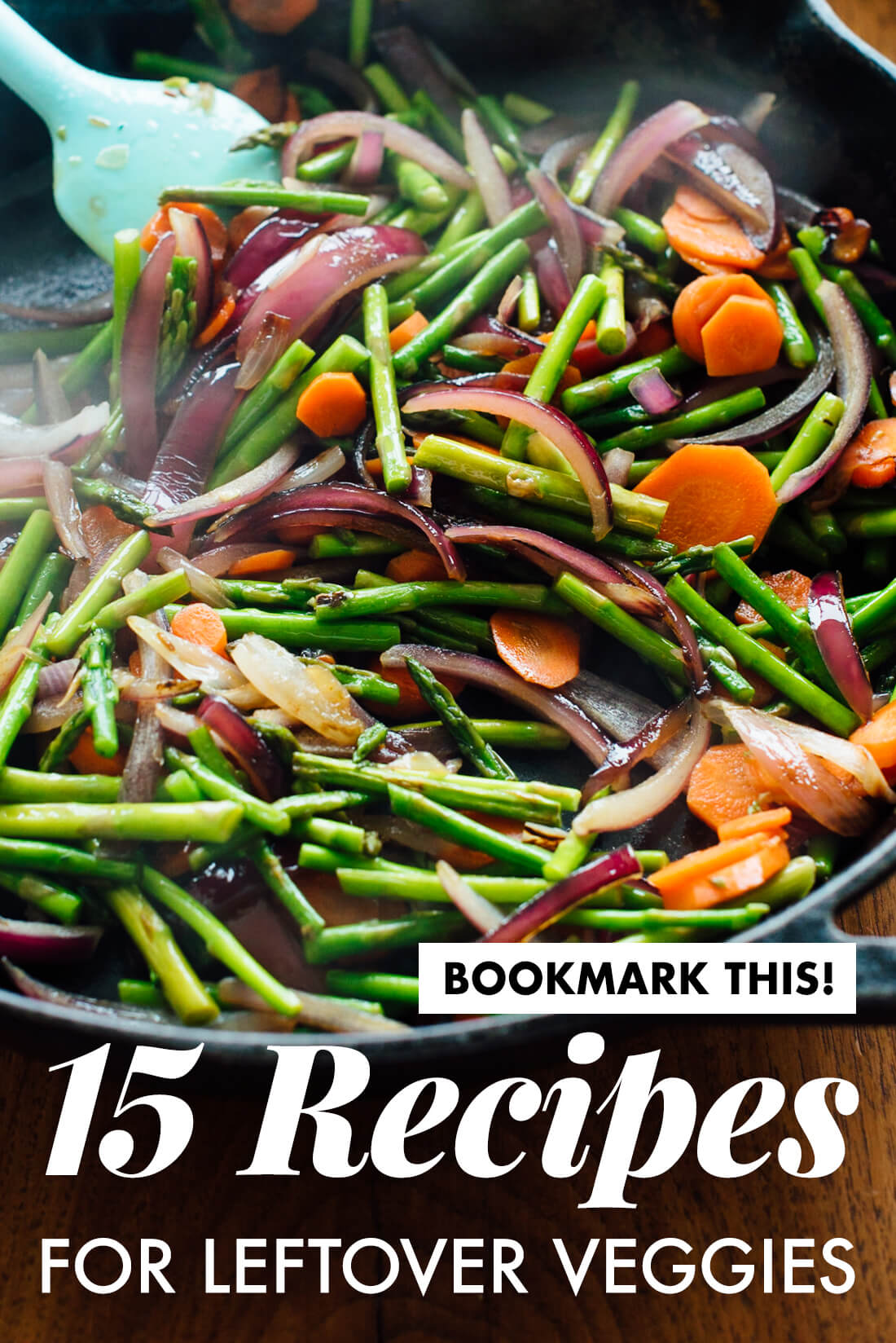
The sauté pan or wok is your best friend when it comes to quick transformations. Most leftover raw or cooked vegetables can be chopped, tossed with a little oil, garlic, and seasoning, and cooked in minutes. This method works wonders for creating quick side dishes or adding bulk to a main meal.
- Simple Veggie Stir-Fry: Combine any crisp raw veggies (bell peppers, carrots, snap peas, cabbage) with cooked ones (broccoli, mushrooms) and a quick sauce (soy sauce, ginger, garlic, a touch of honey). Serve over rice or noodles.
- Quick Sauté with Eggs: Chop cooked leftover potatoes, onions, peppers, or spinach. Sauté until warmed through, then crack a couple of eggs directly into the pan for a quick scramble or sunny-side-up topping.
- Boost Your Pasta Sauce: Dice any leftover carrots, zucchini, or mushrooms and sauté them before adding to your favorite jarred or homemade pasta sauce for extra flavor and nutrition.
For more inspiration on quick fixes, check out our article: Stop Food Waste: Easy Leftover Vegetable Recipes.
Soups & Stews: Comfort in a Bowl
Soups and stews are incredibly forgiving and perfect for using up a medley of vegetables, both raw and cooked. A rich broth can transform even the most disparate collection of ingredients into a harmonious meal.
- Start with an aromatic base: Sauté any leftover onion, garlic, or celery.
- Add sturdy vegetables: If you have raw carrots, potatoes, or sweet potatoes, add them next with a splash of broth to soften.
- Pour in broth: Vegetable, chicken, or beef broth works, or even just water with a bouillon cube.
- Introduce cooked vegetables: Once the raw veggies are tender, stir in any cooked leftover vegetables (broccoli, green beans, corn).
- Simmer and season: Let it all simmer together, adjusting seasonings, and adding herbs like parsley or cilantro at the end.
- Optional: Blend a portion of the soup for a creamier texture, or add a handful of leftover rice or pasta for a heartier meal.
Frittatas & Quiches: Eggy Delights
For small quantities of various cooked vegetables, frittatas and quiches are stellar solutions. They're versatile, elegant, and perfect for breakfast, brunch, lunch, or a light dinner.
To make a simple frittata: Whisk 6-8 eggs with a splash of milk or cream, salt, and pepper. Sauté any chopped leftover vegetables (e.g., spinach, mushrooms, roasted peppers, cooked potatoes) in an oven-safe skillet until warmed. Pour the egg mixture over the vegetables, sprinkle with cheese if desired, and cook on the stovetop until the edges set. Transfer to a preheated oven (375°F/190°C) and bake for 10-15 minutes, or until puffed and golden.
Roasted Revelations: Bringing Out the Best
Roasting can work wonders, especially for slightly sad-looking raw vegetables. The high heat caramelizes their natural sugars, intensifying their flavor and giving them a delightful texture. This method is fantastic for root vegetables, brassicas, and even bell peppers.
- Root Veg Medley: Toss leftover carrots, parsnips, potatoes, and sweet potatoes with olive oil, salt, pepper, and herbs like rosemary or thyme. Roast until tender and slightly browned.
- Revived Broccoli/Cauliflower: Even florets that have been sitting in the fridge for a bit can be tossed with oil and spices (paprika, cumin) and roasted until crispy.
- Bell Pepper & Onion Mix: Slice and roast until sweet and soft, perfect for topping pizzas, mixing into salads, or serving as a side.
Beyond the Basics: Elevating Your Leftover Vegetable Recipes
Once you've mastered the foundational techniques, you can get even more adventurous with your leftover vegetable recipes. These ideas take a little more effort but deliver impressive results.
Veggie Fritters & Patties: Crispy Goodness
These are excellent for using up grated raw vegetables (zucchini, carrots, potatoes) or finely chopped cooked ones. The key is to bind them together with a little flour, egg, and seasoning.
- Zucchini & Carrot Fritters: Grate raw zucchini and carrots, squeeze out excess moisture. Mix with an egg, a tablespoon or two of flour, salt, pepper, and optional herbs. Pan-fry until golden.
- Potato & Pea Patties: Mash leftover cooked potatoes, mix with cooked peas, chopped onion, an egg, and a little breadcrumb. Form into patties and pan-fry.
- Mixed Vegetable Patties: Combine any finely chopped cooked vegetables (broccoli, corn, bell pepper) with a binder and seasonings, then fry or bake.
Power-Packed Smoothies & Juices (for raw leftovers)
Don't underestimate the power of blending! Wilting greens, spare carrots, or even a lonely cucumber can find new life in a healthy drink. Ensure your produce is still good to eat, even if it's lost a little crispness.
- Green Goddess Smoothie: Combine spinach, kale, cucumber, a banana or apple, and water/almond milk.
- Carrot-Ginger Immunity Boost: Juice or blend carrots with a piece of ginger, an orange, and a touch of turmeric.
Flavorful Dips & Spreads
Leftover roasted vegetables can be blended into incredibly delicious and healthy dips. This is a fantastic way to use up a larger quantity of one type of vegetable.
- Roasted Red Pepper Dip: Blend roasted bell peppers with a little olive oil, garlic, lemon juice, and a pinch of salt.
- Sweet Potato Hummus: Blend cooked sweet potato with chickpeas, tahini, lemon juice, and garlic for a vibrant dip.
- Pesto Variations: Use leftover wilted greens (spinach, kale, radish greens) in place of some or all of the basil in a pesto recipe.
For an even deeper dive into creative uses, explore our Ultimate Guide to Leftover Vegetable Recipes.
Smart Storage & Prep: Maximizing Your Leftover Potential
The best way to make the most of your leftovers is to prevent them from going bad in the first place. Proper storage and a little proactive preparation can extend the life of your produce and make future cooking even easier.
Proper Storage Techniques
- Airtight Containers: Store cooked leftovers in sealed containers in the fridge, ideally consuming them within 3-4 days.
- Crisper Drawers: Use your refrigerator's crisper drawers for raw vegetables, adjusting humidity settings if available.
- Separate Ethylene Producers: Keep fruits and vegetables that emit ethylene gas (like apples, bananas, tomatoes) separate from ethylene-sensitive ones (like leafy greens, broccoli, carrots) to prevent premature ripening and spoilage.
- Wash and Dry: Wash greens just before use, or if washing beforehand, ensure they are thoroughly dry to prevent rot.
Pre-Prep for Future Meals
A little effort now can save a lot of time and reduce waste later:
- Chop and Freeze: If you buy too many onions, peppers, or carrots, chop them and freeze them in Ziploc bags. They're perfect for throwing into soups, stews, or stir-fries directly from the freezer.
- Blanch and Freeze Greens: Blanch spinach or kale, squeeze out excess water, and freeze in small portions. Add to smoothies, curries, or pasta sauces.
- Make Vegetable Stock: Keep a bag in the freezer for vegetable scraps (onion peels, carrot ends, celery tops, herb stems). Once full, boil them with water for a homemade vegetable stock – a base for countless future meals.
Embracing simple leftover vegetable recipes is a testament to mindful living – saving money, reducing waste, and fostering culinary creativity. From quick stir-fries and comforting soups to inventive fritters and healthy smoothies, the possibilities are as endless as your imagination. The next time you open your fridge to find those solitary vegetables, don't see them as a problem, but as an exciting invitation to get creative in the kitchen. Experiment, adapt, and enjoy the delicious journey of repurposing your produce into something wonderful.
